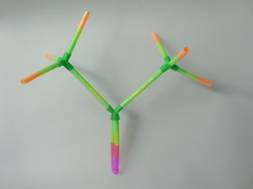
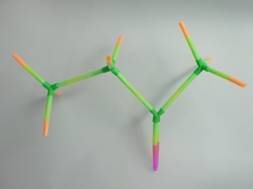
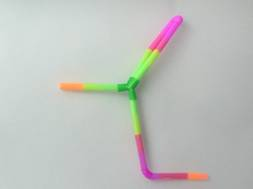
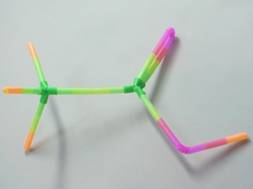
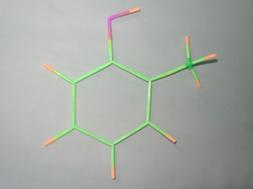
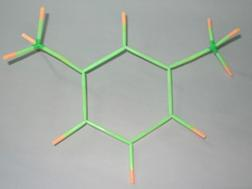
|
An explanation sheet for making Straw Molecular Model 2nd version
Materials and tools
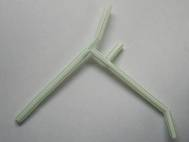
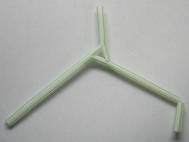
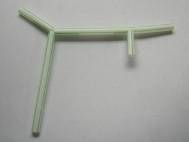
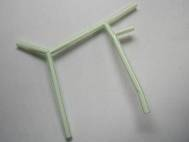
Introduction Straw molecular model is an educational material sample which is affordable and helpful to understand skeleton structure of molecules. Each atom is represented
by one straw or a combination of several
straws and these straws are connected with
connector straws (joint) in order to make
a molecular model. For example when
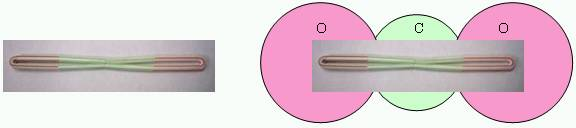
you make a carbon dioxide model, first of
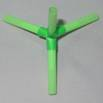
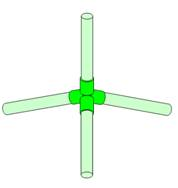
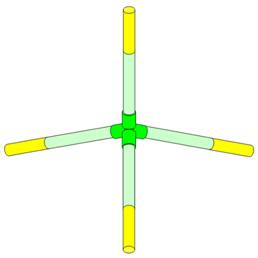
all you should combine 4 pale green straws
which represent four connectable arms of
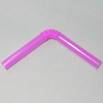
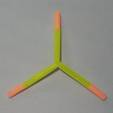
a carbon atom. Then cut out two straws
which have flexible part in the middle of
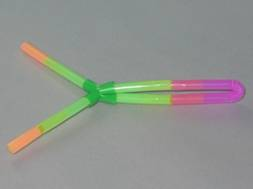
them. Fold them parallel then they
represent oxygen atoms which have two connective
arms. Connect one oxygen straw and
carbon with two connectors after that connect
another oxygen and carbon again. You
can see straw carbon dioxide molecular model.
General commercial molecular models have plastic spheres which represent atoms. But for this straw model it is impossible, therefore please imagine that the carbon atom exists in the middle of the crossing of pale green straws and flexible parts of the purple straws are the centres of oxygen atoms. Nevertheless this low
cost straw model can show double and triple
bonds as well, so we can use this material
from upper basic school level to secondary
school level. Covalent radii When making molecular
model it is important to express relative
distance between atoms as accurate as possible.
This explanation sheet basically uses covalent
radii (table 1) as distances between atoms.
Due to the types of the straws we can buy,
I multiplied 6.4x10⁸ or 4.4x10⁸ on each covalent radius and made length
of straws for big models and small models.
If you want to make much accurate models,
I recommend using the bond lengths shown
on table 2 and adjust lengths of straws.
Table 1. Some Covalent radii
Table 2. Bond length
* adjust the length properly (by cutting the straws or making overlapping) *2 check "how to make a benzene model" Colour of straws and atoms and their number of connective arms (valency) For the samples of molecular
models shown below the following straws were
used: pale green straws as carbon (C) atoms,
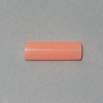
orange straws as hydrogen (H) atoms, purple
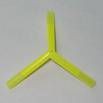
straws as oxygen (O) atoms and yellow straws
as nitrogen (N) atoms. I used white
or pale colour straws as connector straws.
A combination of elements, number of connective
arms and colours of straw are shown below.
Table 4. Combinations of straw and element
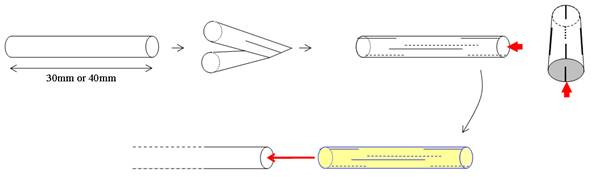
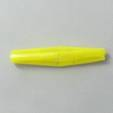
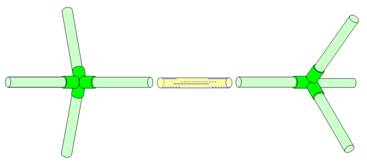
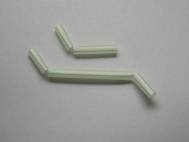
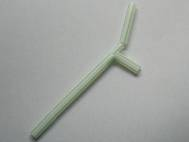
How to make a connector (joint)
Cut out 40mm (or 30mm
for small size models) white or pale colour
straw piece. Fold the piece and make
a cut like the folded side picture above.
Straighten the straw and make short cut on
both ends which are orthogonal to previous
slits. You can connect open straw ends
with these connectors (joints) without any
glue or adhesive tapes.
Samples of small molecules
Example 1: Making a carbon (C) atom and a
methane model
If you want to make a methane model, prepare four straw pieces (24mm long pieces for big models, 16mm long pieces for small models) which represent hydrogen atoms and four connectors (joints).
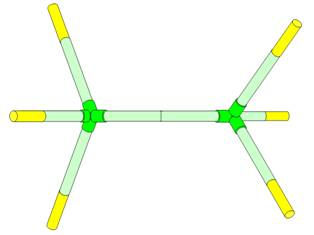
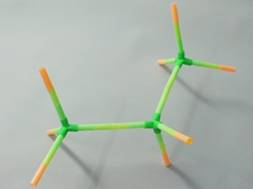
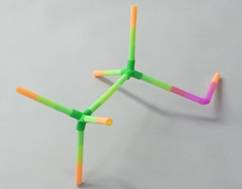
You can also connect carbon atom models. The following figures show how to make an ethane model.
Fig. 14
Fig. 15
Ethane model (CH3-CH3)
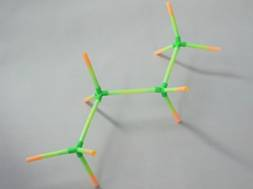
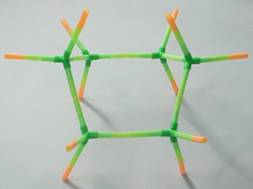
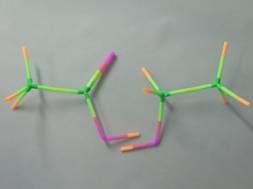
Example 2: Application of the methane model (Alkane CnH2n+2 & Cycloalkane CnH2n)
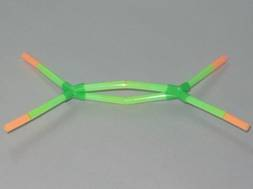
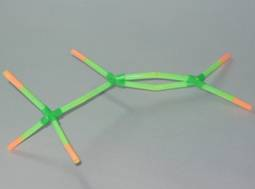
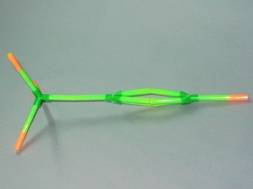
Example 3: Alkene CnH2n When you make alkene and alkyne models, please do not apply super glue on the conjunction of C straws!
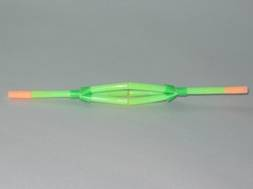
Example 4: Alkyne CnH2n-2
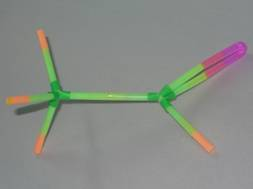
Example 5: Alcohol R-OH
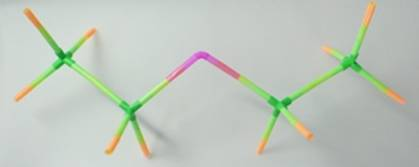
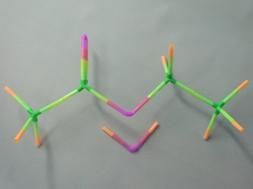
Example 6: Ether R-O-R’
Example 7: Aldehyde R-CHO
Example 8: Ketone R-CO-R’
Example 9: Carboxylic acid R-COOH
Example 10: Ester R-COO-R’
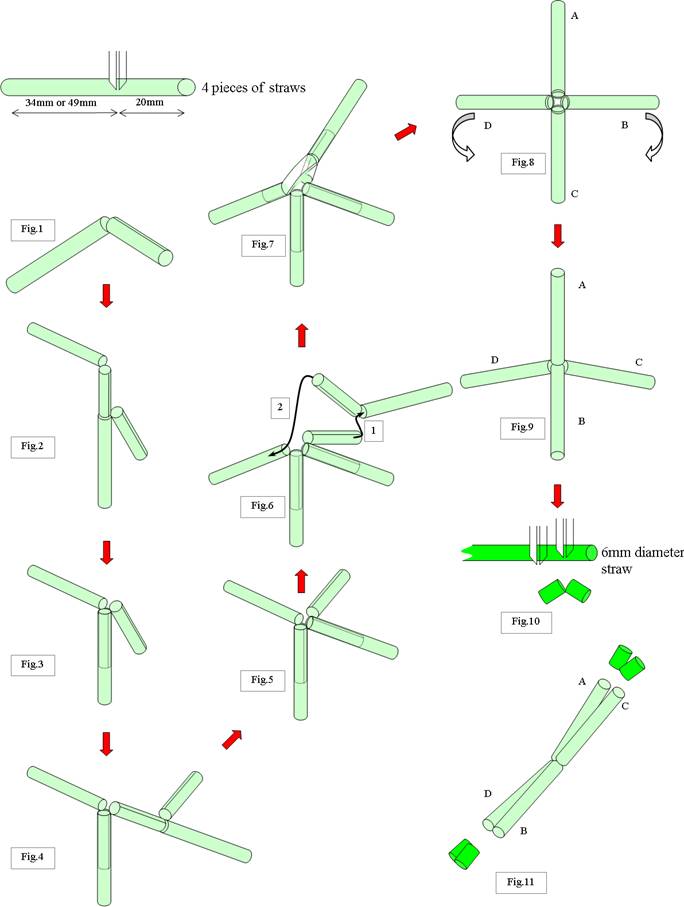
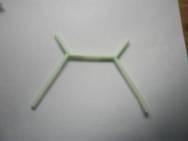
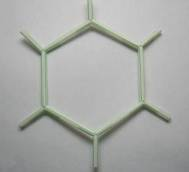
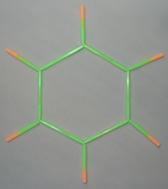
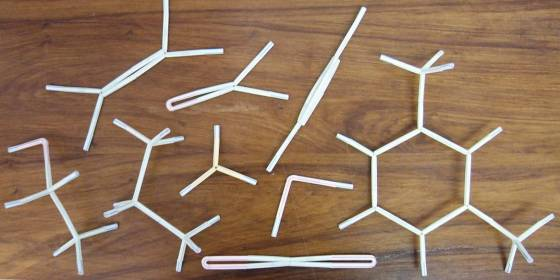
Example 11: How to make a benzene model 1 Prepare the following straws
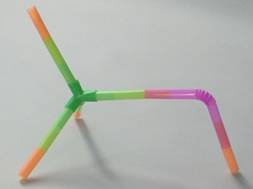
Each carbon atom of benzene molecule is connected by sp2 hybrid orbital, therefore carbon atoms of this benzene model have three connective arms.
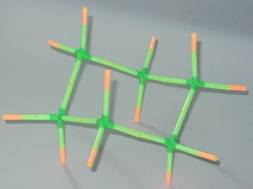
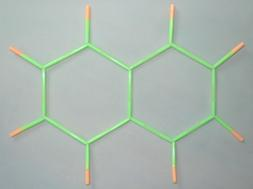
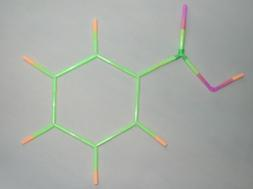
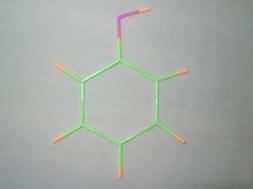
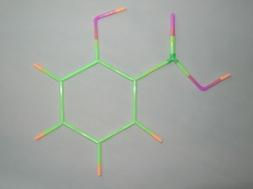
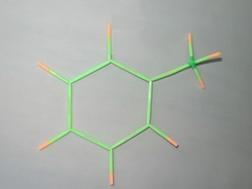
Example 12: Application of the benzene model
“Straw molecular model” copy right JICA Senior Volunteer Hideo Nakano (Oct 2005, revised August 2008) |
|||||||||||||||||||||||||||||||||||||||||||||||||||||||||||||||||||||||||||||||||||||||||||||||||||||||||||||||||||||||||||||||||||||||||||||||||||||||||||||||||||||||||||||||||||||||||||||||||||||||||||||||||||||||||||||||||||||||||||||||||||||||||||||||||||||||||||||||||||||||||||||||||||||||
 N
N